
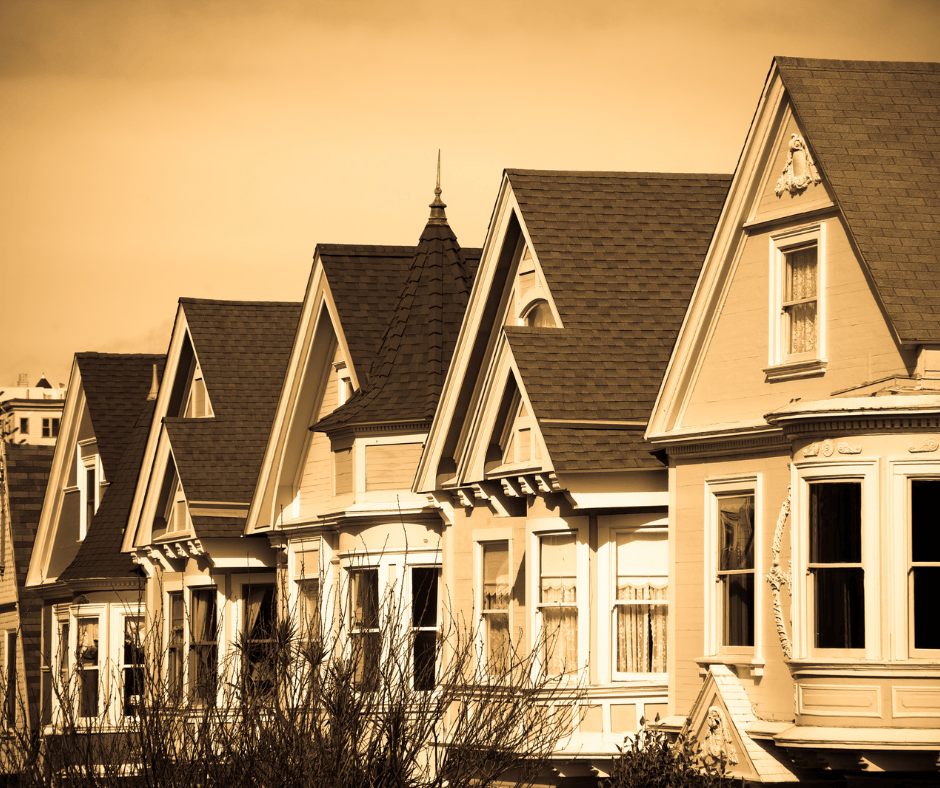
Two homes in San Francisco can have the same number of bedrooms, similar square footage, and even sit in the same neighborhood, yet sell for dramatically different prices.
At first glance, that might seem surprising. Shouldn't similar homes have similar values?
Not necessarily.
Real estate value goes beyond the numbers on a listing sheet. In San Francisco, where every block can have its own character and housing styles vary so much, the details often make the difference. Understanding those details can help buyers make more informed decisions and help sellers understand what truly sets their property apart.
Location Is About More Than the Neighborhood Name
People often compare homes by neighborhood, but experienced buyers know that location can be much more specific than that.
Two homes in the same neighborhood can offer very different experiences depending on their exact block, street traffic, proximity to parks and local businesses, and surrounding properties.
Even the position of a home on a particular street can matter. A quieter block may appeal to buyers differently than a busier street nearby. One property might offer convenient access to shops and restaurants, while another might feel more tucked away.
In San Francisco, where neighborhood character can change noticeably within just a few blocks, these distinctions can influence demand and, ultimately, what buyers are willing to pay.
The Layout Can Matter More Than the Square Footage
Square footage tells you how much space a home has. It doesn't necessarily tell you how well that space works.
A home with a thoughtful floor plan can feel more spacious and functional than a larger property with awkward transitions, poorly placed rooms, or limited usable space.
Think about how the rooms connect. Does the living area flow naturally into the dining room? Is the kitchen positioned well for everyday life? Is there a comfortable separation between bedrooms and entertaining spaces?
These details become especially important in San Francisco, where older homes can have unique layouts shaped by the architecture and the era in which they were built.
Buyers aren't simply purchasing square footage. They're imagining how they'll live in the space.
Natural Light Changes the Way a Home Feels
Natural light is one of those features that can be difficult to appreciate from listing photos alone.
Two homes with similar dimensions can feel entirely different depending on their orientation, window placement, surrounding buildings, and exposure to sunlight.
A bright living room with pleasant natural light can feel welcoming throughout the day. A home with darker interiors may require more effort to create that same atmosphere.
Views can play a role, too. A property overlooking greenery, the city, or the water may offer something another home nearby simply cannot replicate.
These features aren't always reflected in a bedroom count or square-footage figure, but buyers notice them when they walk through the door.
Condition and Craftsmanship Make a Difference
Two homes can look similar online but tell very different stories in person.
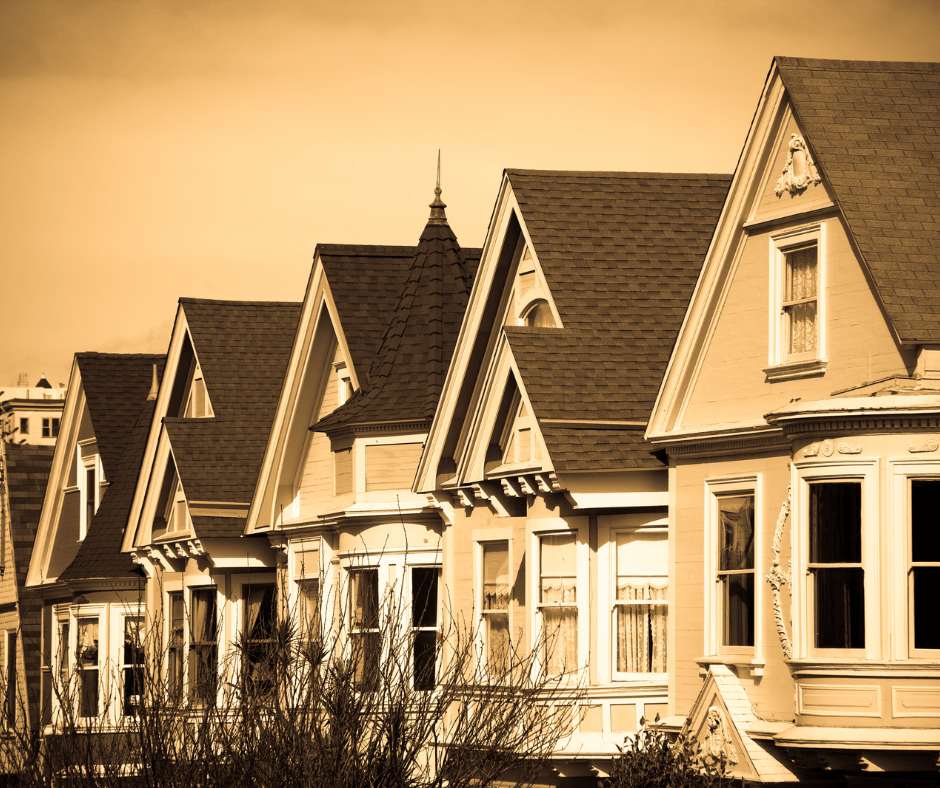
One may have been thoughtfully maintained, with quality materials, careful renovations, and architectural details that complement the original structure. The other may have cosmetic updates that look appealing in photographs but don't address underlying maintenance needs.
In San Francisco, this distinction can be particularly important when comparing older homes.
Original millwork, well-preserved architectural details, quality windows, and a renovation that respects the home's character can contribute to its appeal. So can the less glamorous things buyers need to consider, including the condition of major systems and the scope of any work that may be needed.
Of course, a newly renovated home isn't automatically worth more than an older home with original features. The quality of the work, the overall condition, and what buyers value all matter.
The key is to look beyond whether a home appears updated and understand what you're actually getting.
5. Parking, Storage, and Outdoor Space Can Change the Equation
Some of the most valuable features of a San Francisco home aren't necessarily the ones that make the best listing photos.
Parking is an obvious example. Depending on the neighborhood and the buyer, having a garage or dedicated parking space can be a significant advantage.
Storage is another. Where do the suitcases go? The holiday decorations? The sports equipment? A home that makes everyday life easier can be more appealing than one that looks beautiful but lacks practical space.
And then there's outdoor space.
A usable backyard, a sunny deck, or a private garden can give buyers an additional way to enjoy their home. But not all outdoor spaces offer the same experience. Privacy, accessibility, sunlight, and usability all influence how people perceive them.
When comparing two properties, it's worth asking not only how much space each offers, but how much of that space you'll genuinely use.
Buyer Demand and Pricing Strategy Matter, Too
Even when two properties are genuinely comparable, their final sale prices can differ because of timing, competition, and the way each home enters the market.
One property might attract several interested buyers at the same time. Another might launch during a quieter period or face competition from similar homes nearby.
Pricing strategy also plays a role. An asking price is a seller's starting point, not a guarantee of what the property will ultimately sell for.
A home priced to attract strong interest may generate significant competition. Another home with a higher initial price may receive fewer offers or take longer to sell.
This is why looking at asking prices alone can be misleading. To understand a property's potential value, it's important to consider comparable closed sales, the circumstances surrounding those sales, and the competitive landscape at the time.
The goal isn't to assume every home will sell over asking. It's to understand what the market is telling you about that particular property.
So, What Is a San Francisco Home Really Worth?
The answer is rarely found in a single number.
Square footage, bedroom count, and neighborhood are useful starting points, but they don't tell the whole story. The exact location, floor plan, natural light, condition, parking, storage, outdoor space, and level of buyer demand can all influence how a property is valued.
For buyers, understanding these differences can help you look beyond the asking price and recognize what makes a home worth considering.
For sellers, it means understanding what genuinely distinguishes your property from the competition and how to communicate that value to the right buyers.
Two homes may look similar on paper. That doesn't mean buyers will experience them the same way.
And in San Francisco real estate, those differences can matter.
Thinking about buying or selling in San Francisco? Let's talk. Understanding what makes a property stand out is a good place to start.