
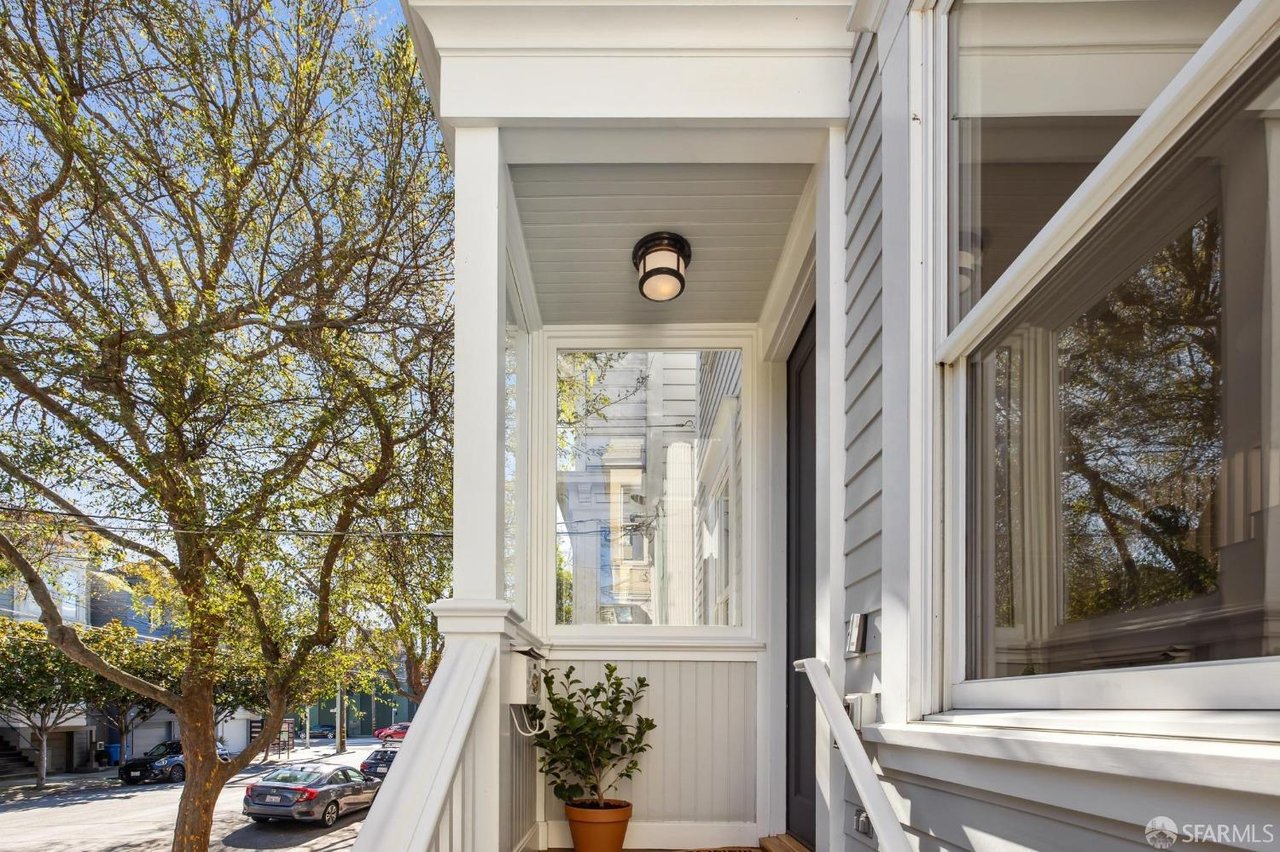
Not every home listing creates the same reaction.
Some properties hit the market and quietly sit for weeks with minimal traction. Others generate immediate buzz, packed open houses, multiple offers, and aggressive bidding wars. And in many cases, the difference isn’t necessarily the home itself. It’s the strategy behind it. Especially in San Francisco’s highly competitive real estate market, buyers are incredibly savvy. They’ve seen countless listings online, toured dozens of homes, and know exactly how to spot when something feels thoughtfully presented versus rushed to market. Exceptional listings don’t happen by accident — they’re carefully prepared to create emotion, confidence, and urgency from the very first impression.
Average listings focus on facts: 3 bedrooms. 2 bathrooms. Updated kitchen. Great location.
Exceptional listings go beyond the specs. They create a feeling. Buyers aren’t just purchasing square footage — they’re buying the lifestyle they imagine living inside the home. The best listings help buyers emotionally connect before they even schedule a showing. From the photography to the staging to the marketing language, everything feels intentional and cohesive. That emotional connection matters more than ever in today’s market.
One of the biggest differences between average and exceptional listings is preparation.
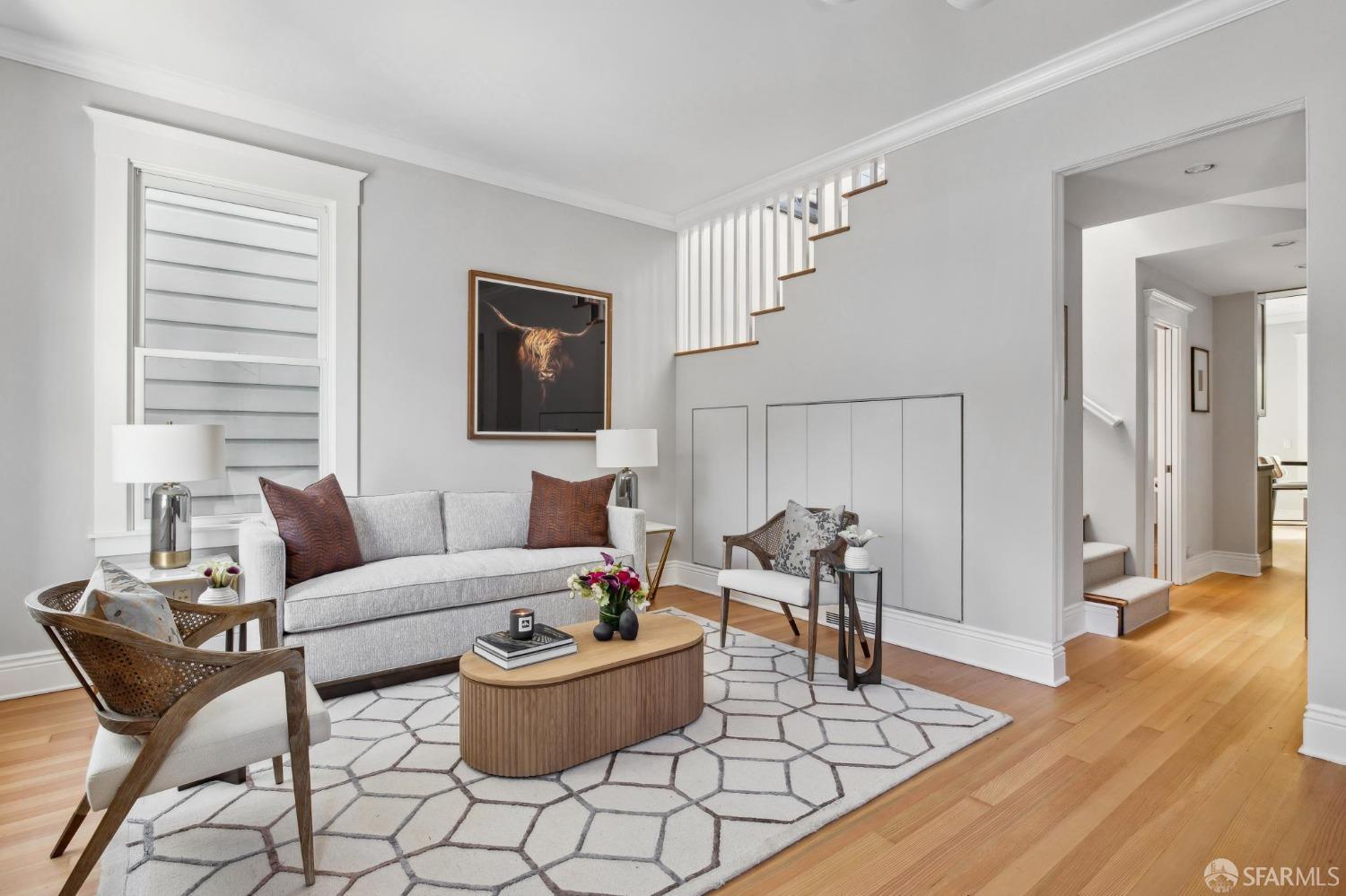
Exceptional homes are staged strategically, professionally photographed, properly lit, and thoughtfully presented online. Every detail contributes to the buyer experience, from fresh paint and landscaping to furniture placement and even timing of photography.
In a market where buyers scroll through listings in seconds, presentation determines whether they stop and pay attention or keep moving. And once buyers walk into the property, the experience has to match the expectation created online. The strongest listings feel polished, elevated, and move-in ready even when the home itself isn’t brand new.
A common misconception among sellers is that exceptional listings simply “price high.”
In reality, the best-performing listings are usually priced strategically to create momentum. The goal is to maximize exposure, increase buyer engagement, and create competition. In San Francisco especially, the homes that attract the strongest activity are often the ones that feel accessible enough to pull in multiple motivated buyers early.
Momentum creates leverage. When buyers sense demand, urgency increases. When a property sits too long, buyers begin looking for flaws even if the home itself is excellent.
Today’s buyers experience a listing long before they visit it in person.
That means marketing matters tremendously. Video tours, cinematic reels, floor plans, social media exposure, targeted campaigns, and strong agent networks all play a role in how a listing is perceived. Exceptional marketing doesn’t just “show” a property — it positions it. Buyers tend to associate well-marketed homes with well-maintained homes. Strong presentation creates confidence, and confidence often translates into stronger offers.
Many sellers underestimate how much buyers pick up on emotionally.
Small details can completely change how a home feels:
- Natural light
- Scent
- Flow between rooms
- Furniture scale
- Window treatments
- Clutter
- Landscaping
- Even how quiet or calm the home feels during showings
Exceptional listings remove distractions and help buyers focus on the lifestyle the property offers. That’s why preparation before listing is often one of the highest-return investments a seller can make.
In today’s market, average listings still sell.
Exceptional listings outperform. They generate stronger emotional reactions, more competition, better terms, and often significantly higher sale prices. The difference usually isn’t luck — it’s thoughtful preparation, strategic positioning, and understanding how modern buyers make decisions.
Because at the end of the day, exceptional listings don’t just enter the market.
They command attention the moment they do.