

If you’ve spent any time watching the San Francisco real estate market, you’ve probably noticed a pattern: the homes that are priced and prepared correctly tend to move quickly, while the ones that miss the mark often linger longer than expected. That’s not a coincidence. In most cases, the first 14 days a home is on the market are the most important window of opportunity you’ll get as a seller.
I’ve seen this play out over and over again. Buyers pay the closest attention when a listing is brand new. That’s when excitement is highest, showings are strongest, and competition is most likely to happen. Once that initial momentum fades, it can be surprisingly hard to get it back.
When a home first hits the market, it shows up as “new” everywhere — MLS feeds, buyer alerts, agent searches, and saved search notifications. Serious buyers, especially those who’ve been watching inventory closely, will notice it immediately. Many of them will rush to see it that first weekend because they don’t want to miss out. This is when you’re most likely to get multiple showings back-to-back, strong feedback, and in some cases, multiple offers.
Pricing plays a huge role during this early period. Homes that are priced strategically — not based on wishful thinking, but on real market data — tend to attract more buyers right away. More interest usually leads to better terms, whether that’s a higher price, fewer contingencies, or a smoother escrow overall. On the flip side, homes that start out overpriced often struggle from day one. Buyers may still see them, but they hesitate. They wait. And once a listing feels “stale,” even a price reduction may not generate the same urgency it could have had at the start.
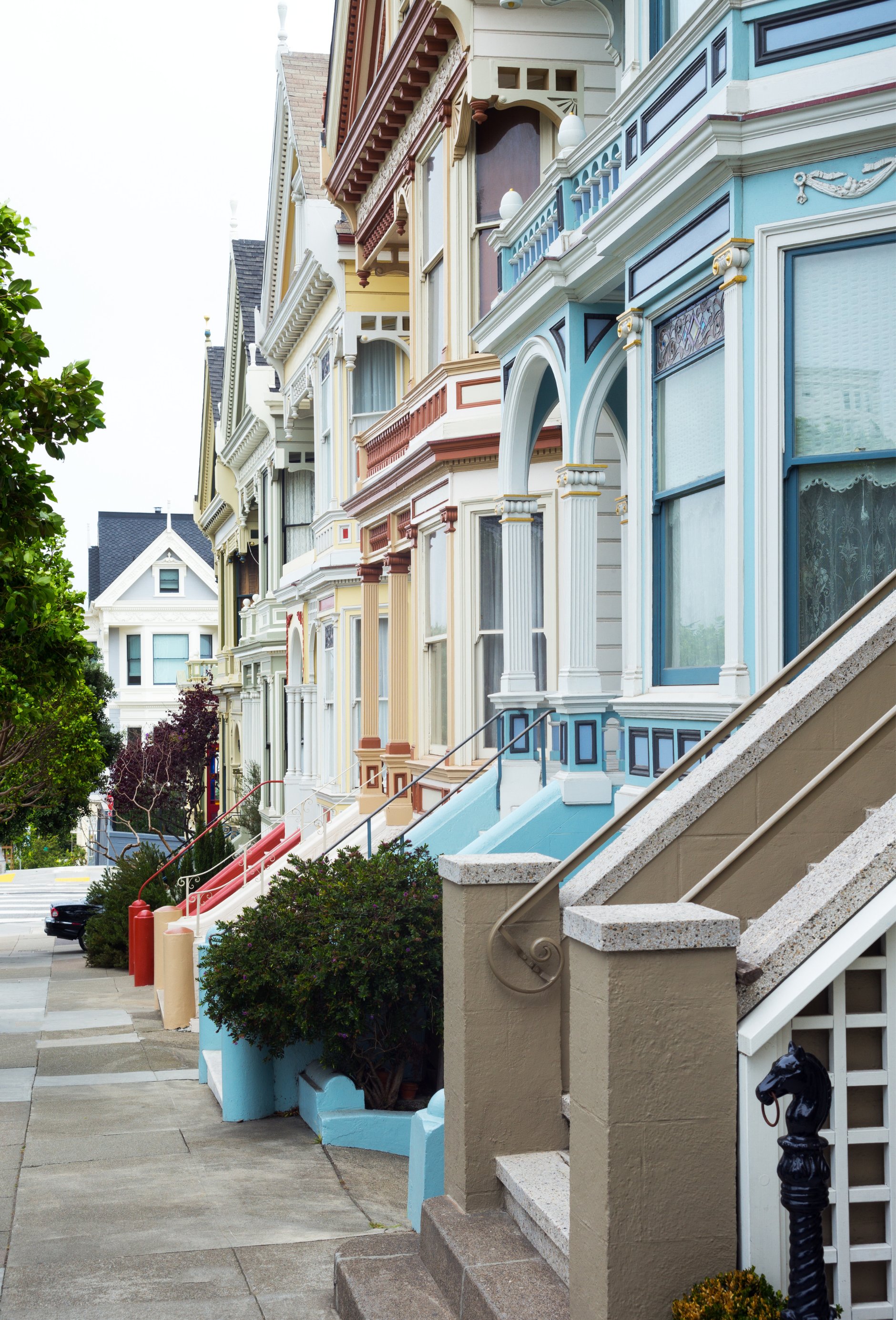
San Francisco, California, the colored traditional houses of Alamo square by Gim42 from Getty Images via Canva.com
Another big factor in those first two weeks is presentation. This is when professional photos, staging, video, and marketing matter most. Buyers are forming their first impression quickly, often online before they ever set foot inside. If the home doesn’t photograph well or feel move-in ready, it can lose attention fast — especially in a market where buyers are scrolling through multiple listings at once. A strong first impression can make the difference between a packed open house and a quiet one.
There’s also a psychological element at play. Buyers often wonder why a home hasn’t sold after it’s been on the market for a while. Even if nothing is actually wrong with it, longer days on market can create doubt. That perception can lead to lower offers or more aggressive negotiation, which is exactly what most sellers want to avoid.
This is why the “let’s test the market” approach can be risky. Starting high with the idea that you can always reduce later sounds harmless, but in reality, you only get one chance to make that first impression. If the price isn’t aligned with buyer expectations from the beginning, you may miss the most active pool of buyers entirely. By the time the price is adjusted, those buyers may have already moved on or purchased something else.
That doesn’t mean every home should be priced low or that every market behaves the same way. The right strategy depends on location, condition, timing, and current inventory. But the common thread is this: preparation and pricing before you go live matter far more than trying to fix things after the listing has already launched.
When I work with sellers, a lot of the focus happens before the home ever hits the market. We look closely at recent sales, current competition, buyer behavior, and how to position the home so it stands out immediately. The goal isn’t just to sell — it’s to sell well, with leverage, and with as little stress as possible.
If you’re thinking about selling, it’s worth treating those first 14 days as your prime window. A strong launch can set the tone for the entire transaction. And in many cases, getting it right from the start leads to better results than trying to correct later.
If you have questions about timing, pricing, or how to prepare your home for a strong first impression, that conversation is always worth having early. The strategy you choose before day one often makes all the difference.